The short answer
Remote hands generally describes agreed physical tasks performed at the equipment location. Availability, coverage hours, task scope, response targets and pricing must be confirmed for the proposed Infolink service.
Turn assumptions into a task list
A cable check, component replacement and complex cluster recovery are different jobs. Document the physical tasks you expect to request and the information a technician would need to carry them out. State which actions require your authorization and which must never be attempted without an engineer present.
Build a usable runbook
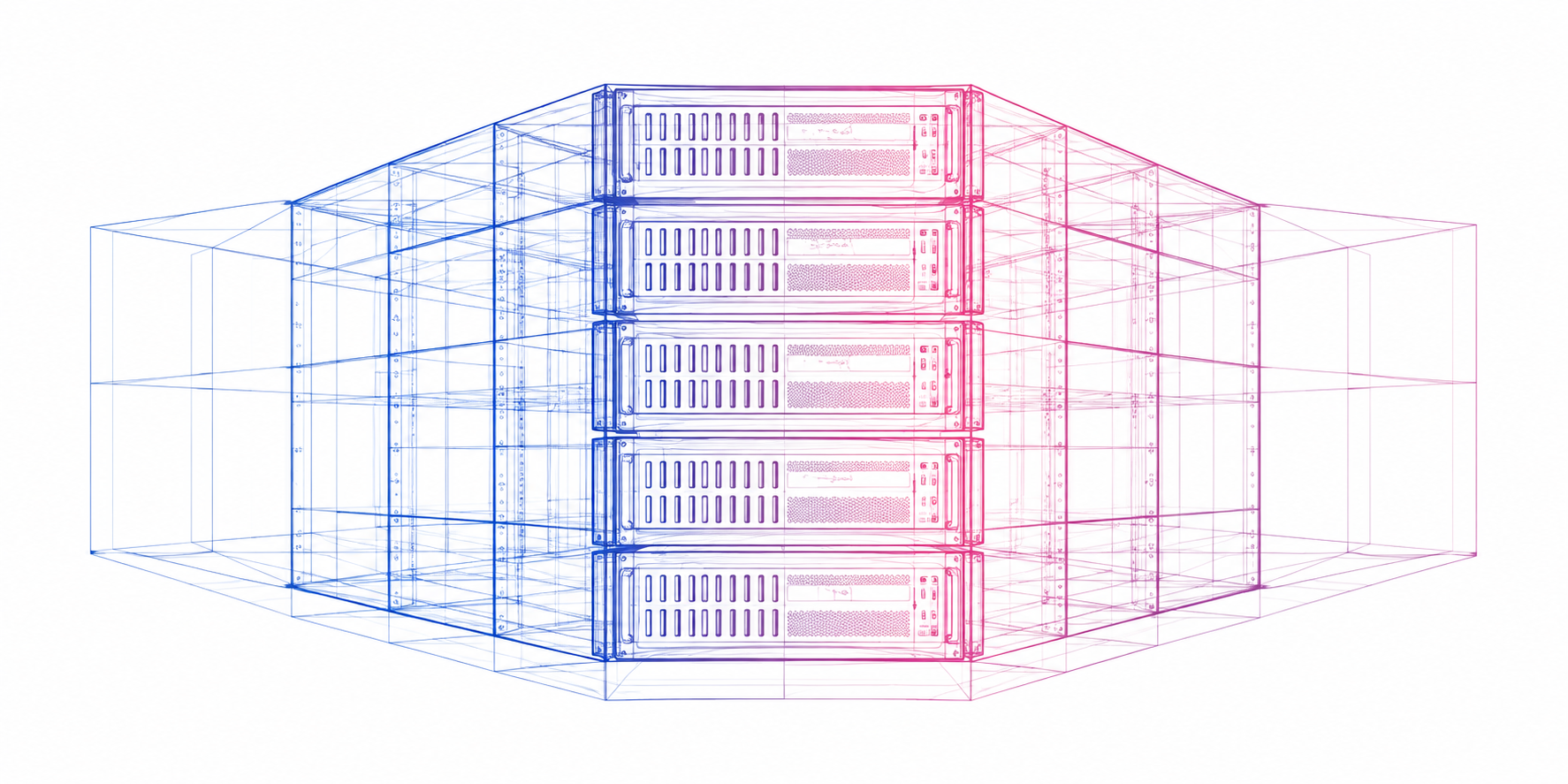
Use clear equipment labels, annotated rack elevations and approved procedures. Include the expected result, stop conditions and escalation contact for each task. Keep credentials out of general support tickets and agree a controlled process for any privileged access.
Prepare for replacement parts
A support plan depends on the right parts being available. Identify spare drives, power supplies, cables and vendor replacement procedures. Confirm receiving, storage, access and disposal arrangements before shipping anything. Define how failed media should be handled and who approves its release.
Bring to your assessment
- Task list and authorization rules
- Response expectations and escalation contacts
- Runbooks, equipment labels and rack diagram
- Spares, vendor warranty and media-handling instructions
Common questions
Is remote hands the same as managed hosting?
No. Physical support does not automatically include operating systems, application monitoring, patching or AI platform administration.
Is support available around the clock?
Coverage hours and response commitments are not asserted here. Request the current service scope and contractual terms.
Planning guidance, not a specification sheet. Infolink capabilities, availability, support scope, pricing and deployment dates must be confirmed for your project. No certification or performance guarantee is implied.